

Role of Solar Energy in the UAE’s Net Zero 2050 Initiative
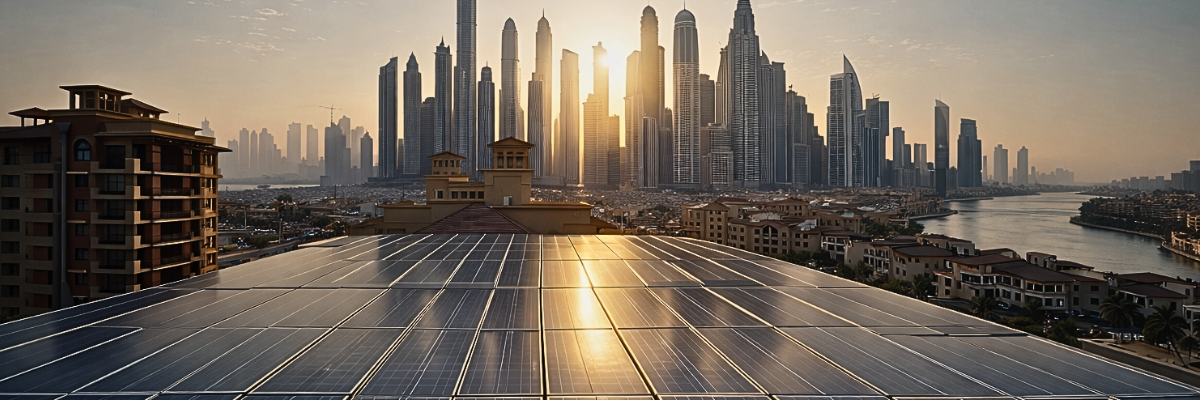
The United Arab Emirates has taken a global leadership position in climate action by launching the Net Zero 2050 Strategic Initiative, a long-term commitment to achieve net-zero carbon emissions by the year 2050. As a country with high energy demand and rapid economic growth, the UAE recognizes that renewable energy—especially solar power—will be the backbone of this transformation.
Among all clean energy sources, solar energy plays the most critical role in helping the UAE reduce emissions, diversify its energy mix, and build a sustainable future. This blog explores how solar power is driving the UAE’s Net Zero 2050 goals and why it is central to the nation’s long-term energy strategy.
Understanding the UAE’s Net Zero 2050 Initiative
The Net Zero 2050 Initiative aims to balance greenhouse gas emissions with removal or offset measures, ensuring that total emissions do not exceed what can be absorbed by natural or technological solutions. This initiative aligns with global climate agreements while supporting the UAE’s economic growth and energy security.
Key objectives of the initiative include:
- Reducing dependence on fossil fuels
- Increasing the share of renewable and clean energy
- Promoting energy efficiency and innovation
- Supporting sustainable development across all sectors
Solar energy is uniquely positioned to address all these goals simultaneously.
Why Solar Energy Is Ideal for the UAE
The UAE is geographically and climatically suited for solar power generation. With abundant sunlight throughout the year and vast open spaces, the country has one of the highest solar energy potentials in the world.
Key advantages of solar energy in the UAE include:
- High solar irradiance levels
- Consistent sunlight availability
- Scalability from rooftop systems to utility-scale plants
- Declining costs of solar technology
These factors make solar power the most practical and cost-effective renewable energy source for achieving long-term emission reduction targets.
Solar Energy as a Pillar of Clean Power Generation
One of the primary goals of the Net Zero 2050 Initiative is to decarbonize electricity generation. Solar energy contributes directly by replacing fossil-fuel-based power with clean, renewable electricity.
Large-scale solar parks and distributed rooftop installations across residential, commercial, and industrial sectors significantly reduce carbon emissions. As solar capacity continues to expand, the UAE’s power sector becomes cleaner, more resilient, and less carbon-intensive.
Supporting Energy Diversification and Security
Solar energy helps the UAE diversify its energy mix, reducing reliance on conventional energy sources. By integrating solar power into the national grid, the country enhances energy security while stabilizing electricity costs.
A diversified energy portfolio ensures:
- Reduced exposure to fuel price volatility
- Improved long-term energy planning
- Greater resilience against global energy disruptions
Solar power plays a central role in creating a balanced and sustainable energy ecosystem.
Driving Decarbonization in Commercial and Industrial Sectors
The commercial and industrial sectors are among the largest energy consumers in the UAE. Solar energy enables businesses to reduce their operational emissions while lowering electricity expenses.
Rooftop and on-site solar installations allow organizations to:
- Cut carbon footprints
- Meet sustainability and ESG goals
- Achieve long-term cost savings
- Align with national climate commitments
This widespread adoption of solar power in business operations is critical to meeting Net Zero 2050 targets.
Enabling Green Buildings and Sustainable Cities
Solar energy is a key component of green building initiatives and sustainable urban development in the UAE. Integrating solar panels into buildings supports energy-efficient design and reduces reliance on grid electricity.
Solar-powered buildings contribute to:
- Lower energy consumption
- Reduced environmental impact
- Compliance with green building standards
- Improved sustainability ratings
As cities in the UAE continue to expand, solar energy ensures that growth remains environmentally responsible.
Supporting the Transition to Electric Mobility
The Net Zero 2050 Initiative also emphasizes cleaner transportation. Solar energy supports this transition by powering electric vehicle (EV) charging infrastructure.
By integrating solar power with EV charging stations, the UAE can:
- Reduce emissions from the transport sector
- Promote clean mobility solutions
- Maximize the use of renewable energy
- Build a sustainable transportation ecosystem
This synergy between solar energy and electric mobility accelerates the journey toward net-zero emissions.
Encouraging Innovation and Green Investments
The growth of solar energy drives innovation across technology, energy storage, grid management, and smart systems. It also attracts local and international investment into the UAE’s clean energy sector.
Solar energy contributes to:
- Job creation in renewable energy industries
- Development of advanced clean technologies
- Increased private-sector participation
- Strengthening the UAE’s position as a clean energy leader
These economic benefits support long-term sustainability while reinforcing the Net Zero 2050 vision.
Reducing Carbon Emissions at Scale
At its core, the role of solar energy in the Net Zero 2050 Initiative is to significantly reduce carbon emissions across all sectors. Every megawatt of solar power added to the grid replaces electricity generated from fossil fuels, resulting in measurable emission reductions.
As solar capacity continues to grow, the cumulative impact on emission reduction becomes substantial, making solar energy a cornerstone of the UAE’s climate strategy.
Conclusion
Solar energy is not just an alternative power source in the UAE—it is the foundation of the country’s transition to a low-carbon future. From clean electricity generation and energy security to sustainable cities and electric mobility, solar power touches every aspect of the UAE’s Net Zero 2050 Initiative.
With continued investment, innovation, and adoption, solar energy will remain the driving force behind the UAE’s ambition to achieve net-zero emissions while maintaining economic growth and global leadership in sustainability.



